Mechanical Engineering - Esports Professional Manager
Mehdi El Fathy - Remtek Racing Solutions
Simracing : $5m+ prize money, 2x Esports World Cup podium, 24H Le Mans Virtual winner, multiple major endurance wins, and moreMOTORSPORT : Formula 4 DATA engineer intern, 2 years in Formula Student as CTO, Suspension Lead, Vehicle Dynamics lead, head of testing
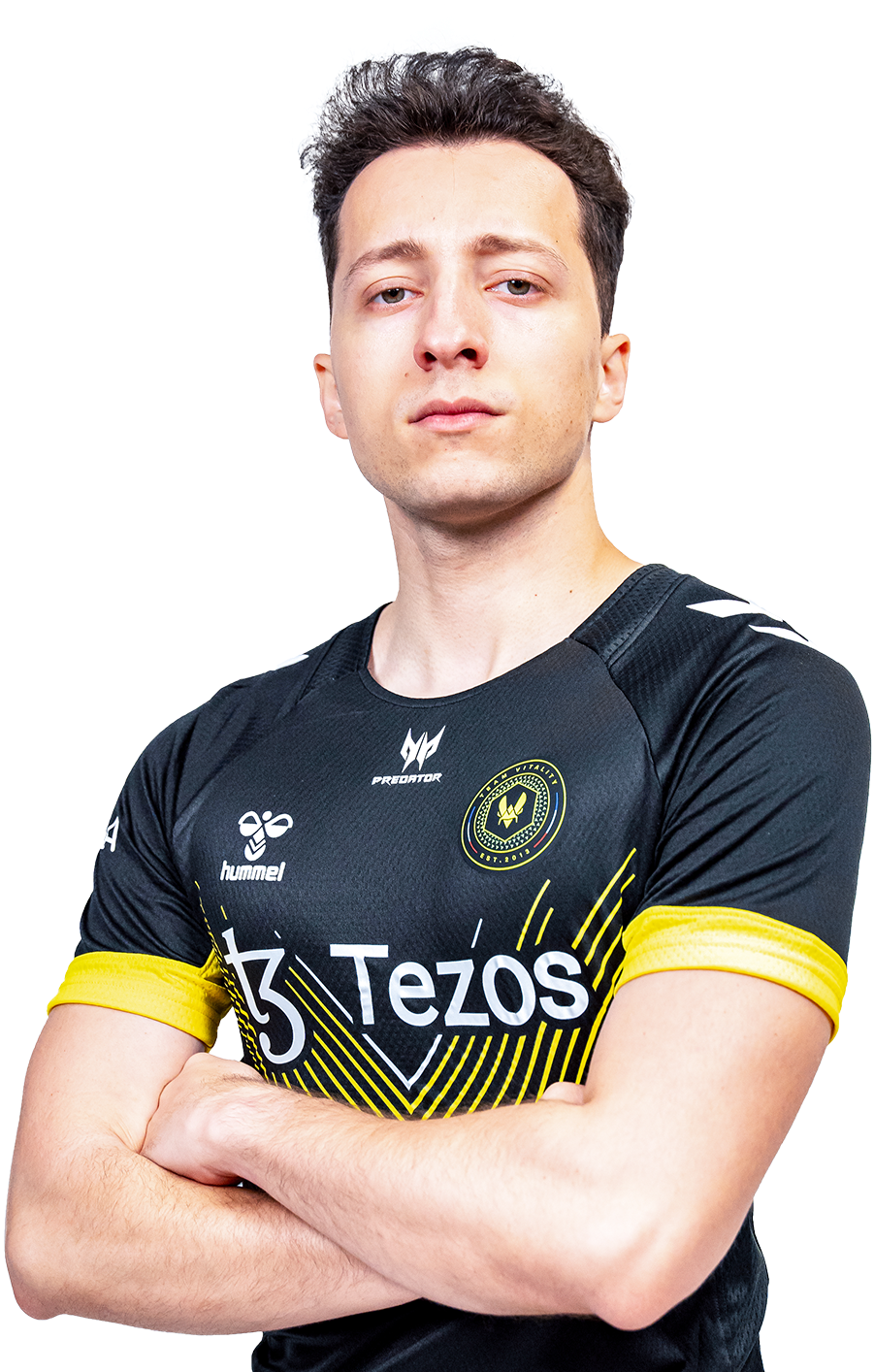
I'm a Mechanical Engineer, with a Master specialised in Motorsport Engineering from France (Diplôme d'ingénieur en Génie Mécanique spécialisation Performance Automobile à l'Ecole Nationale d'Ingénieurs de Metz). I speak French natively, I am fluent in English, can handle conversations in Spanish and understand Arabic notions.During my studies, I have spent a year working full-time in my university's Formula Student project as the Chief Technical Officer and Suspension Lead for ENI Metz Racing Team, and I was the Chief of Vehicle Dynamics & Controls + Chief of Testing for Formula Student Team Delft, a 6x World Champion.I have experience in various racing series, with an engineering internship in LMP2 for Panis Racing/Tech1 Racing, designing a brand new engineering workstation, as well as in Formula 4 for Saintéloc Racing as a data/performance engineer.Furthermore, I am a professionnal simracing esports team manager and engineer, leading Romain Grosjean's simracing team, R8G Esports as a Sporting Director for 4 years, during which I also represented Team Vitality, the biggest French esports club, in their simracing venture for 1.5 years, for their Esports World Cup campaign.
I also collaborated with Drago Racing as a freelance engineer/strategist for multiple endurance race wins in 2025. The five Top2 out of all the Big Six endurance races (Le Mans 24H, Nürburgring 24H,Sebring 12H wins; Daytona 24H, Petit LeMans 12H) further cements my competitiveness at the highest level of the sport.During my various simracing ventures, my teamwork brought multiple elite championship results, such as winning the 24H of Le Mans Virtual in GT, finishing twice on the podium for the simracing part of the Esports World Cup, bringing a grand total of more than $5M in prize money for the aforementioned esports teams. I also had the priviledge to work alongside some of the fastest motorsport drivers, such as Romain GROSJEAN, Alex DUNNE, Taylor BARNARD, Will STEVENS, and more.I've always been a firm believer that the world of motorsport and racing simulators can mesh together and is a main catalyst in my involvement at the highest level of simracing and esports, as well as working my way towards the higher levels of motorsport, which is why I enjoy driving as well. Alongside my duties as a manager, I partook in various competitions myself, most notably representing my Formula Student teams on the sim, as well as R8G Esports, as you can see here.Last but not least, photography also became one of my main hobby, mostly related to motorsport photography. I invite you to check over my picture portfolio on another section of this website here !All-in-all, I try to be versatile around a lot of motorsport aspects. Whether it is about engineering, driving or photography, I strive to become excellent at what I do!


Engineering ACHIEVEMENTS
2025 iRacing Sebring 12h (LMDH)
2025 iRacing Sebring 12h (GT3)
2025 iRacing Watkins Glen 6h (GT3)
2025 iRacing Indy 6h (GT3)
2023 ESL R1 Driver Championship (GT3)
2023 24H Le Mans Virtual (GTE)
2023 RENNSPORT ESL R1 Fall Season Team Championship (GT3)
2021 iRacing Nürburgring 24H (911 Cup)
2025 iRacing Petit Le Mans 10h (LMDH)
2025 iRacing Watkins Glen 6h (GT3)
2024 RENNSPORT ESL R1 Team Championship (GT3)
2023 RENNSPORT ESL R1 Spring Season Team Championship (GT3)
2022-2023 Le Mans Virtual Series (GTE)
2022 IMSA Esports Championship (TCR)
2021-2022 24H SERIES Esports Team Championship (GT3)
2025 RENNSPORT R1 Team Championship (GT3)
2022 iRacing Daytona 24H (GT3)
↓ Click on the blue links for more details ! ↓
Leading the Vehicle Dynamics & Controls subsystem of DUT26, on the new decoupled heave-roll system alongside the Suspension subsystem
Abilities
Overseeing the mechanical performance development of EMRT18 as well as managing the Suspension subsystem
Abilities

Trackside performance and data engineering, car reliability, competitor analysis before and after sessions
Abilities
Developed a brand new engineering workstation for Panis Racing to be used by the trackside engineers during race weekends.
Abilities
↓ Click on the blue links for more details ! ↓

Sporting Director for Romain GROSJEAN's motorsport simulation team, working on the organisation of our race weekends in various international championships such as the Virtual Le Mans Series, Porsche Esports Supercup, BMW Sim GT Cup and Endurance events.
Abilities

Team Manager for Team Vitality (France's biggest Esports club) RENNSPORT simracing lineup, competing in ESL R1 during the Esports World Cup, the RENNSPORT lineup being a significant part of the club's $5M prize money gains at EWC for the 2024 and 2025 edition
Abilities

Freelance Race Engineer during the 2025 season. Multiple Endurance race wins in LMDh and GT3
Abilities
FS Team Delft DUT26 : Chief vehicle dynamics, Controls and Testing + Co-lead of the Driver-in-the-loop project
August 2025 - August 2026
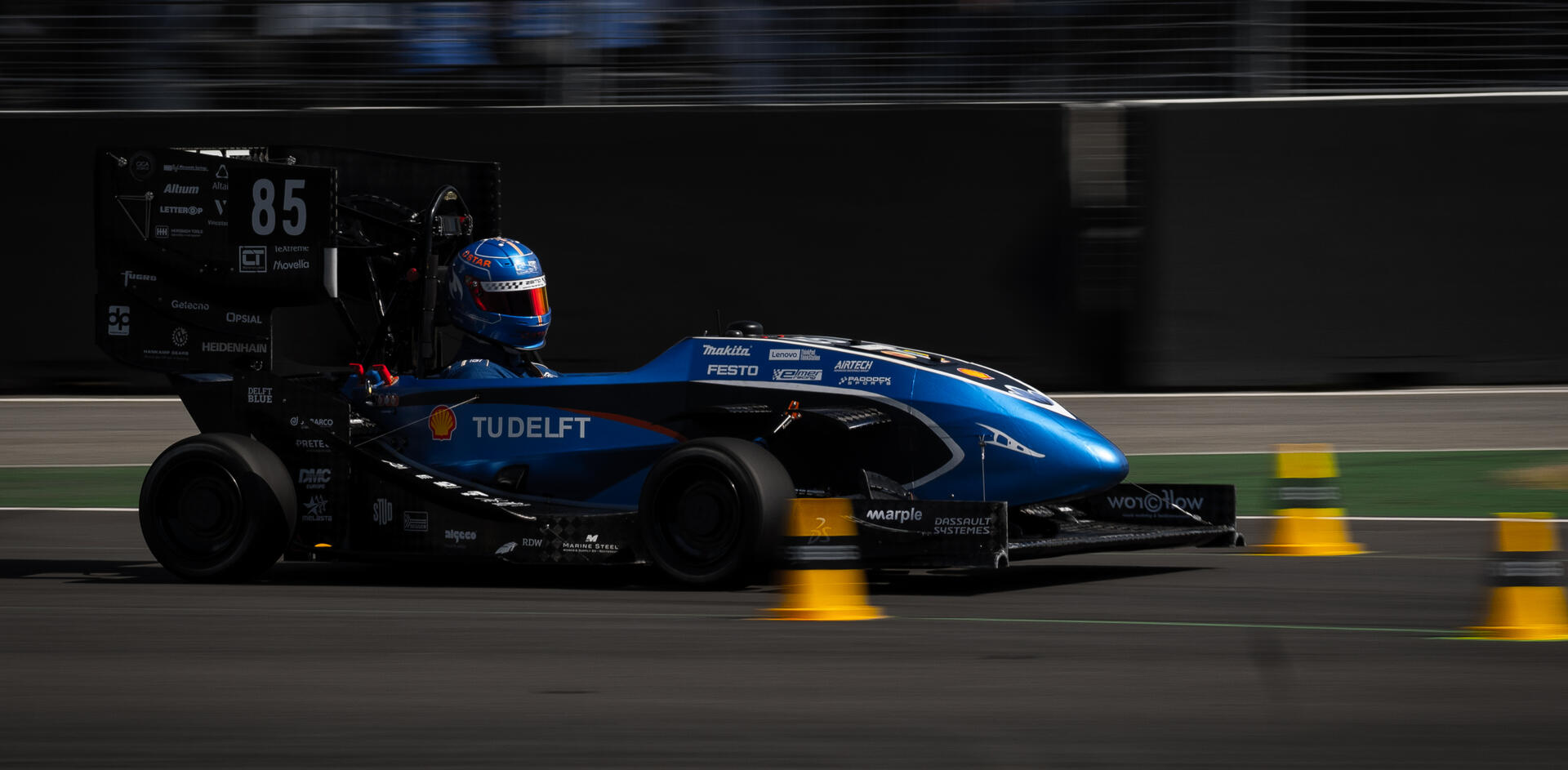
As the Chief of Vehicle Dynamics, Controls and Testing of DUT26, I was tasked to lead a group of engineers to work on improving the car performance on track while interfacing with every other design departments.
For that car, the main Top Level Concept implemented was a suspension overhaul, replacing the effective front direct-acting damper and rear rocker-assisted damper to a Decoupled Heave-and-Roll suspension system on both axis, the first-of-its-kind in the history of FS Team Delft.The preceding cars, DUT24 and DUT25, brought Delft back to the forefront of FS Germany, including a podium finish for the latter. Both cars had really similar kinematics and spring-damper systems between the both of them, as the 2025 team was to carry on a similar design philosophy. The two previous cars, were suffering from various car behavior issues :1) Very little damper travel overall etc
2) Tyre overheat
3) Rear inside lifting, preventing YRC to work (sometimes both inside wheels off the ground)
4) Front wing hitting the ground on multiple occasionsGlobal Performance Targets
Baseline Issues and Observations
A key characteristic of the previous car was the dominance of geometric load transfer over elastic load transfer. This was primarily driven by high front and rear roll centre heights, combined with short swing arm lengths. themselves a consequence of previous design choices, most notably the absence of a front anti-roll bar.Additionally, a high wheel-to-damper motion ratio enabled rapid tyre warm-up, which proved advantageous in short dynamic events such as skidpad and autocross. However, this came at the cost of excessive thermal build-up during endurance running. Post-run measurements, taken immediately after full endurance simulations in representative weather conditions, showed tyre surface temperatures exceeding the optimal operating window by more than 25%, leading to significant thermal degradation.Another critical issue was observed in high lateral load conditions, where the rear inside wheel would consistently lift off the ground. This behaviour severely limited the effectiveness of the Yaw Rate Control system (torque vectoring), as such systems rely on consistent tyre contact to distribute torque effectively across all four wheels.

Example of DUT25 lifting its rear inside wheel | © Formula Student Germany 2025, Lodholz

Global Performance Targets
To address these limitations, we adopted a top-down, multi-department development strategy. Two primary performance drivers — total mass and centre of gravity — were targeted early in the design phase.
Total mass reduction target: ~10%
Unsprung mass reduction target: >30%
Centre of gravity reduction: ~3.5%According to the team’s internal laptime simulation tools, these improvements alone were estimated to yield approximately 30 points over a 1000-point Formula Student event.
Suspension Concept and Load Transfer Strategy
A major enabler of this development was the introduction of a Decoupled Heave-Roll (DHR) suspension system. This architecture introduced a dedicated roll element with variable stiffness characteristics, allowing the target roll gradient to be tuned independently of heave stiffness, both at the front and at the rear axle.As a result, roll centres could be lowered significantly, reducing jacking forces and limiting lateral tyre scrub, while keeping the target roll gradients. This marked a shift leaning towards more reliance on elastic load transfer than geometric.
Close collaboration between Vehicle Dynamics and Suspension departments was essential. Vehicle Dynamics focused on defining optimal kinematic targets across various operating conditions, while Suspension engineers translated these into feasible geometries within CAD, accounting for packaging and regulatory constraints.Particular attention was given to:Pick-up point definition and validation
Pushrod positioning relative to inner wheel clearance
Compliance with critical regulations such as minimum radial clearance requirementsRule T2.6.4 comes to mind : "The radial clearance between any non-rotating part and the inside of the rim must be at least 5 mm in static condition at any steering angle and any ride height".The redesign of the spring-damper system provided increased flexibility in defining motion ratios. In collaboration with KONI, we developed new damping solutions tailored to the system. The adoption of a cylindrical bellcrank with fork geometry enabled fine control over motion ratio values and their evolution through bump and rebound travel.Despite this flexibility, a conservative approach was maintained for the first iteration of the DHR system, prioritising reliability, predictability, and ease of understanding — key factors for a fundamentally new architecture, tying into our team goal of a reliable and well-understood car.

Excessive roll, causing FW endplate hits on bumpy corners | © Formula Student Germany 2025, Lodholz

Aerodynamic Integration and Ride Control
Strong integration with the Aerodynamics department was another cornerstone of the project. In Formula Student, maintaining the car within a narrow ride height window is critical to aerodynamic performance, while still complying with strict regulatory constraints such as minimum ground clearance.Previous designs faced trade-offs between optimal suspension behaviour (based on tyre data) and maintaining a stable aerodynamic platform. This was particularly problematic due to front wing ride height sensitivity and susceptibility to ground strikes over surface irregularities.
We still had to deal with aero boundaries boxes as well as a minimum ride height as per Rule T2.2.1 : 'The minimum static ground clearance of any portion of the vehicle, other than the tires,
including a driver, must be 30 mm".The new suspension architecture addressed these compromises by enabling improved control of both roll and pitch behaviour. Pitch centre location was carefully optimised to stabilise the aerodynamic platform under braking and high-speed conditions. This was especially important given the reliance on underfloor aerodynamics, with side diffusers identified as the major contributors to overall downforce.As a result, kinematics were refined to maintain more consistent diffuser ride heights, improving aerodynamic efficiency and providing the driver with greater confidence during high-speed braking and cornering phases.
The importance of testing in formula student
Testing became a central part of my responsibilities during the second half of the year, shifting my focus from design to performance validation and operational execution.While a large portion of the team concentrated on manufacturing and assembling a car capable of winning Formula Student Germany, my role was to ensure that, once on track, the car could consistently deliver that level of performance. This involved defining and overseeing detailed test plans aimed at preparing the car and the team for all dynamic events.Our testing programme began in March using legacy cars. These early sessions were critical for conducting internal driver selection, but also served a broader purpose: establishing the foundations of our trackside operations. This included building structured run plans, refining team roles and communication flows, and developing robust checklists to ensure consistency and efficiency during test days.A key constraint in Formula Student is the limited available running time. An endurance event lasts approximately 25 minutes, after which the high-voltage accumulator requires recharging. This creates a tight operational window, meaning that maximising effective track time becomes a major performance factor.As a result, a significant part of my work focused on optimising both on-track and off-track activities. This included sequencing run plans to extract meaningful data in minimal laps, coordinating cooldown and recharge phases, and ensuring the team could execute quick turnarounds between runs. The objective was not only to gather high-quality data, but to do so in the most time-efficient way possible, a critical requirement in building a competitive package for race conditions.Current update from March 2026, more details will come later through the season once DUT26 testing is underway
a new subdepartment in Formula student team delft : Driver-in-the-loop
During our car development, we undertook a new project, that was initially a small personal project from a previous year's team member, but became a new subdepartment of its own, which is the Driver-in-the-loop project.With my professional esports background in simracing, I always understood the importance of driving in the sim. In real motorsport, testing time on track is very limited, as testing is very costly. A set of Hoosier tyres, for instance is upwards of €800, which is a significant but necessary burder for FS teams. However, it doesn't mean that teams would buy tens of sets every year. Furthermore, driving a Formula Student car, let alone from a top team, is unlike anything one can encounter on track, due to its very advanced technologies, some of them not even being used in top-tier motorsport. Therefore, it would take an immense amount of time for a driver to get used to the car and drive it to its absolute limit, even more so when you factor into account that track width is limited by the rulebook, and in between rows of cones.From experience on the sim, drivers would get within 0.25% (about 0.2s off in a 90s lap) of their peak lap times after about 300 laps. Unfortunately, this doesn't even come close to the amount of driving time that a driver would get on the same track. For reference, a driver can only do 2 Autocross laps, and around 10 Endurance laps before he's done driving in a competition.As you can then conclude, there is a major gap to be gained on track performance, which is why I have been a major proponent of including DIL as a development system for DUT26 and beyond.Driver-in-the-loop simulation has become a key pillar of motorsport performance, particularly in Formula Student where on-track running is extremely limited. As mentioned above, a team cannot fully explore the limits of either the car or the driver. As a result, driver preparation becomes a decisive, yet often underestimated, factor in overall team performance.To address this, we are developing a driver-in-the-loop simulator designed to accurately replicate the tracks visited during competition. The objective is straightforward: allow drivers to train extensively in a controlled environment, long before arriving at the event. By recreating the nuances of each circuit, drivers can build familiarity, refine racing lines, and develop consistency — all from home. This approach shifts preparation from reactive to proactive, reducing the learning curve typically faced during the very limited real-world running.The simulator is built using Simulink for the vehicle and system modeling, coupled with Unreal Engine 5 to deliver a high-fidelity graphical environment. This combination allows us to bridge accurate physics-based modeling with immersive visual feedback, creating a tool that is both technically robust and intuitive for the driver.Beyond driver training, the long-term vision extends further. The simulator provides a platform to study the impact of setup changes in a repeatable environment, enabling more informed engineering decisions before reaching the track. It also opens the door to developing and validating autonomous driving systems on realistic circuits, accelerating their learning process without the constraints of physical testing.I have worked in bringing partners for this project, most notably RS Simulations, a leading company in high-end driver-in-the-loop simulators. Their work spans professional motorsport, including collaborations with top-tier racing teams, and focuses on delivering highly accurate, real-time simulation environments used for driver training and vehicle development. Leveraging their expertise ensures that our platform is built on proven methodologies and aligned with industry standards.
Metz Racing Team EMRT-18 : Mech Chief Technical Officer + Suspension Lead / Test Driver
August 2024 - August 2025
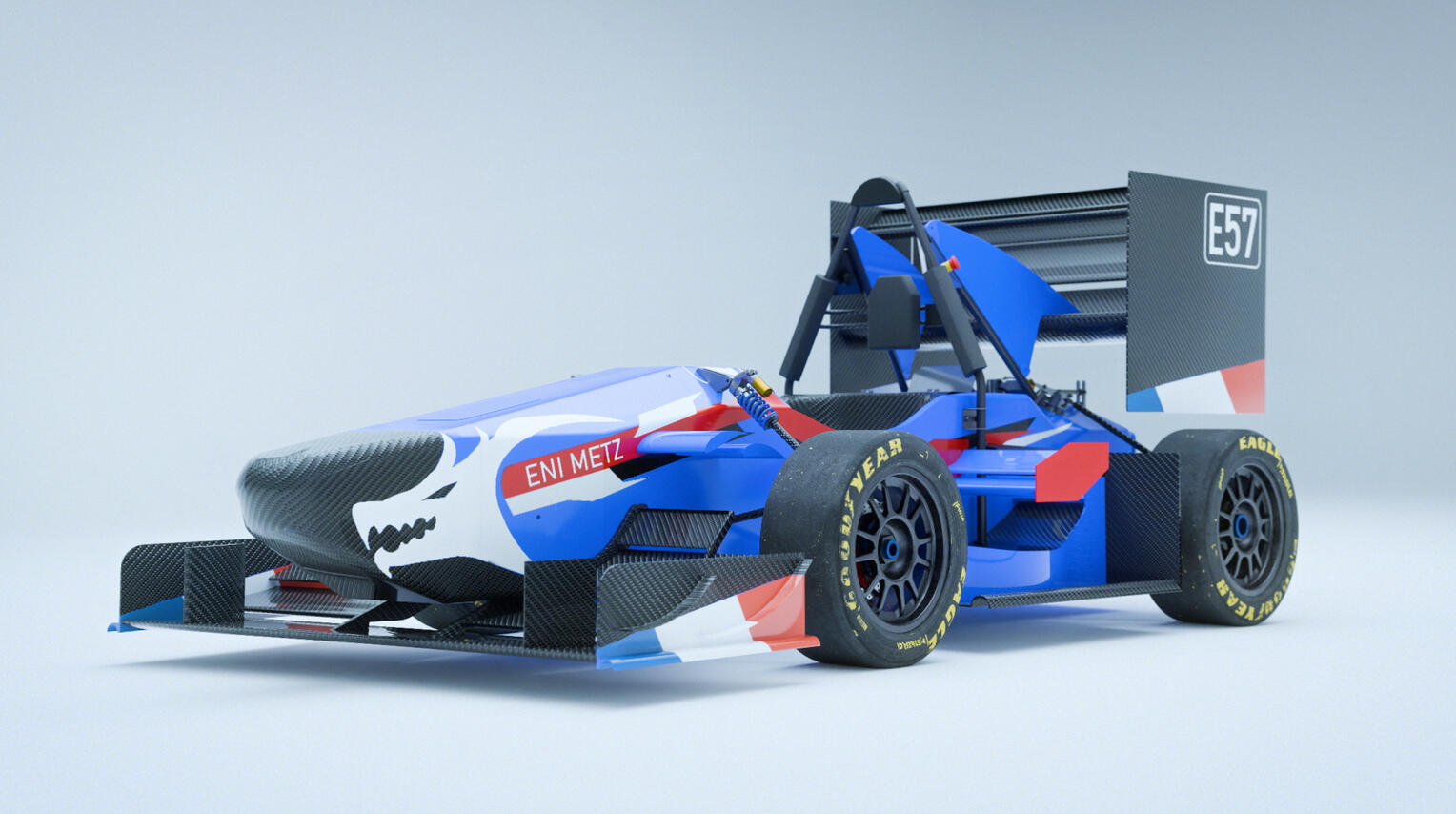
The start of that yearly project oversaw many engineering challenges. My main goal as the Mechanical Chief Technical Officer was to promote as much technical synergy as possible between all subsystems, that included the Suspension department alongside the Chassis, Aero and Electrical subsystem, and develop the overall car performance by targetting weight reduction with other leads, aero improvements and other areas.The main change that year was on the powertrain side, as the team elected to switch from one central electric motor to one electric motor per rear wheel, with an in-hub configuration. This configuration, the first to happen in a French Formula Student team, allowed the team to get closer to the top competitors, one step at a time.It effectively allowed the car to be designed with more packaging freedom at the rear, since transmission was now done through planetary gears instead of using a chain drive and a differential. With a much narrower chassis, this allowed a larger volume for the side diffuser, significantly increasing downforce.Furthermore, the previous team had shown the lack of tyre temperature on most conditions compared to the requirements from our Goodyear tyres.On the vehicle dynamics side, I worked extensively on kinematics development, with a strong focus on aligning the suspension geometry with the tyre model. The previous car struggled to generate and maintain tyre temperature.Combined with the absence of a front anti-roll bar, this required a fundamental reassessment of the roll centre heights on both axles to improve load transfer characteristics and tyre energy input. The goal was to create a much more responsive platform, allowing the tyres to operate consistently within their optimal window as well as providing quicker changes of direction in the numerous slaloms encountered on FS tracks.In parallel, I refined the longitudinal dynamics through adjustments to the pitch centre location and anti-dive geometry. By moving the pitch centre further forward and increasing anti-dive, we aimed to stabilise the front ride height under braking. This was critical for maintaining a consistent aerodynamic platform, particularly in preserving front wing performance during transient phases.Weight reduction was another key development area, with a targeted overall mass decrease of approximately 10%. This was approached through detailed subsystem optimisation, including the accumulator, steering system, and pedal box. Each component was reviewed with a focus on material efficiency, packaging, and structural requirements, ensuring that weight savings did not compromise reliability or performance.Alongside the Chief Aerodynamicist, I also contributed to the aerodynamic development of the car. This involved maximising the allowable volumes defined by Formula Student regulations, ensuring we extracted the maximum potential from the regulatory boundary boxes. The design philosophy placed a strong emphasis on generating high levels of raw downforce to enhance overall vehicle performance.From a production standpoint, we leveraged additive manufacturing extensively, particularly through the use of carbon-fiber-reinforced nylon 3D-printed components. This approach allowed rapid iteration, reduced manufacturing constraints, and enabled the creation of complex geometries that would have been difficult to achieve with traditional methods, all while maintaining sufficient structural integrity for aerodynamic applications.
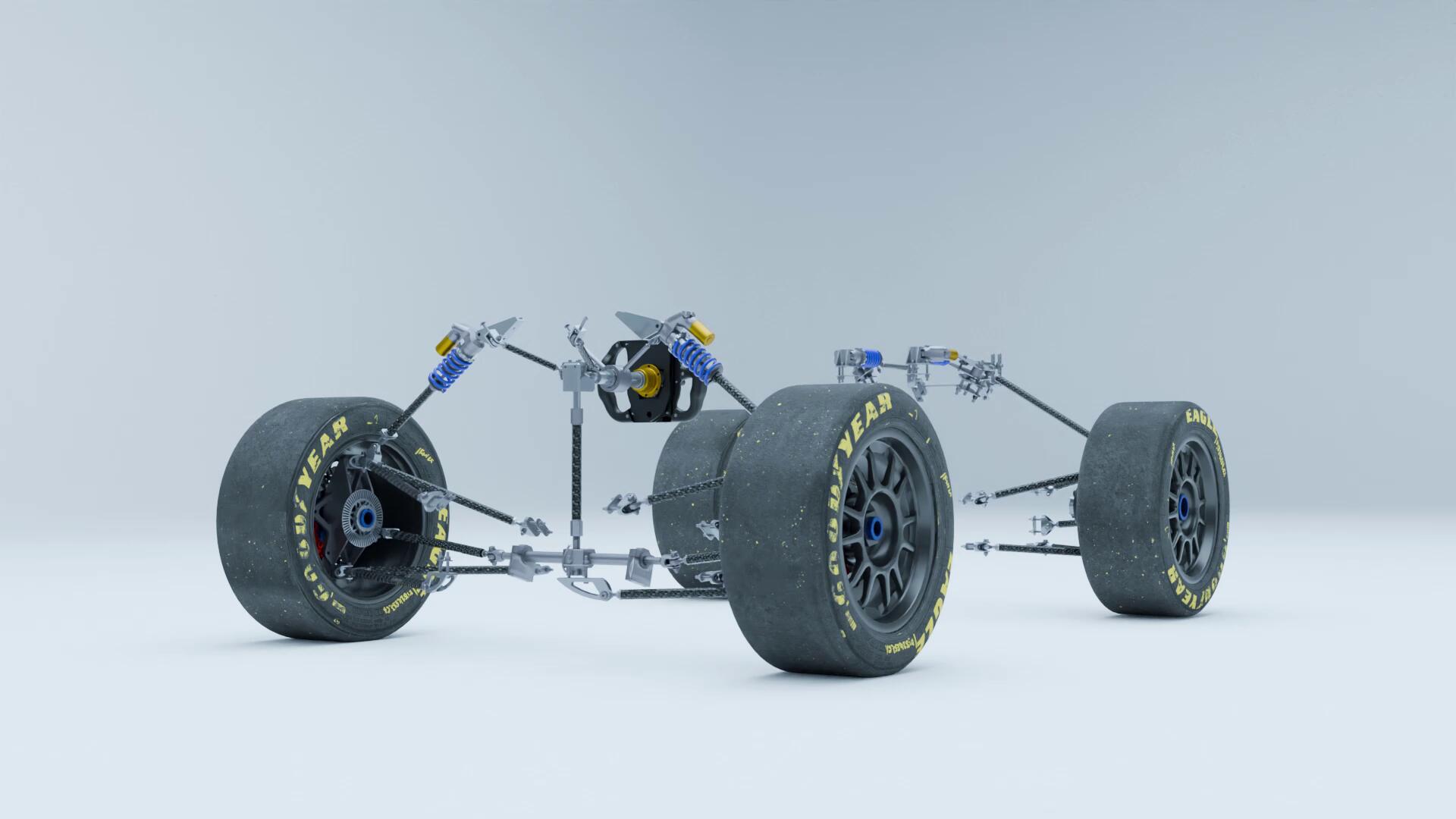
My tasks in the Suspension department were not only technical, but also has strong ties in management. With the aforementioned major car changes, I redesigned the entierety of the car kinematics throughout the use of Optimum Kinematics. Wheelbase was not constrained anymore by the rear packaging, and could be reduced very close to the minimum allowed by the rule book, as well as an increased track width, that also benefitted the aerodynamics department.
Furthermore, I helped negotiate partnership between the team and third-parties, the two most notable ones being Red Bull France for a small-scale partnership, and bringing Romain GROSJEAN as a team ambassador for EMRT-18
Saintéloc Racing : Data/Performance Engineer Intern (2023 Spanish Formula 4)
August 2023 - December 2023
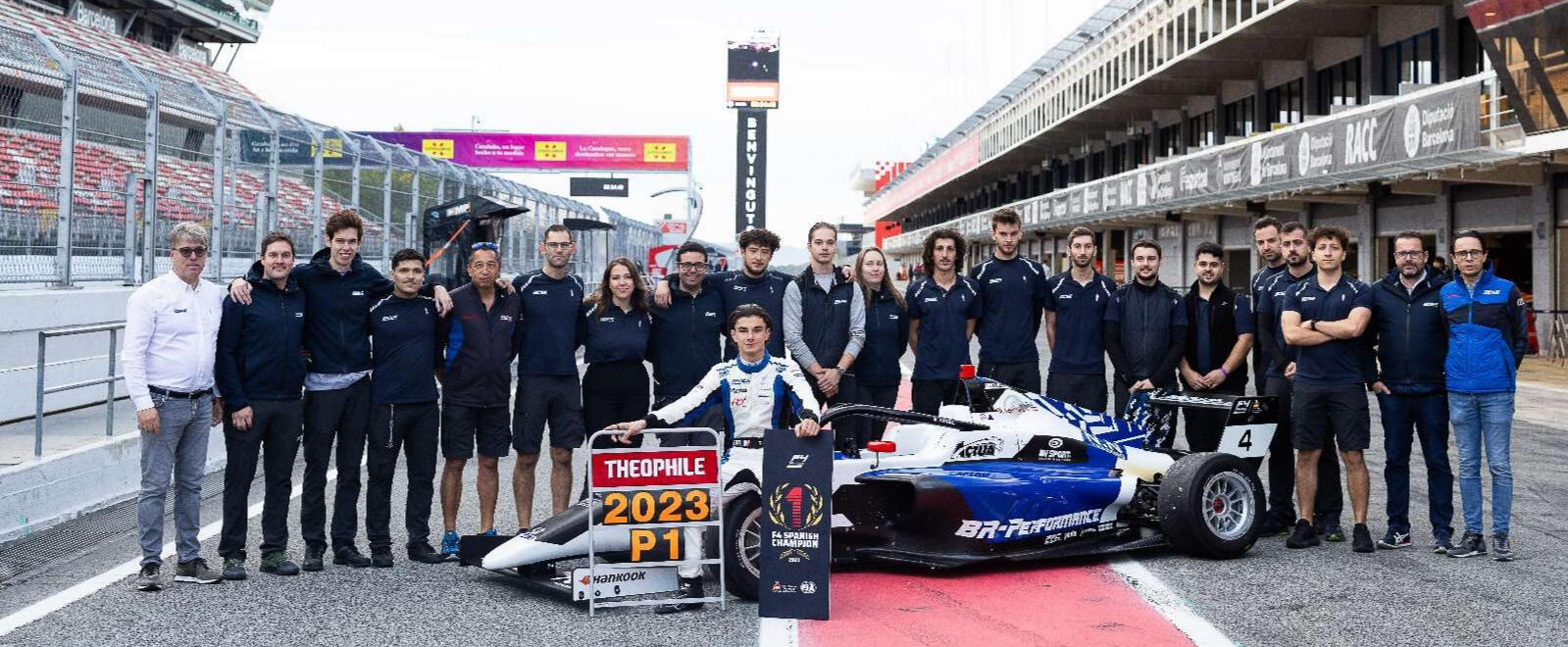
As a Data and Performance Engineer Intern, I was responsible for monitoring the reliability and performance of the team’s three cars competing in the Spanish Formula 4 Championship. This involved producing structured data summaries and KPI analysis using WinTAX and SYSMA, amongst other softwares, to support the race engineers in their decision-making process.I quickly developed a strong understanding of the Tatuus F4-T421 and its key reliability sensitivities. A core part of my role was to oversee all engine fire-ups in real time through SYSMA, closely monitoring engine and embedded system sensors to ensure safe and consistent operation. This required constant attention to telemetry feedback, allowing early detection of anomalies and reducing the risk of trackside issues.In parallel, I was responsible for extracting and structuring key performance indicators from WinTAX into concise, engineer-ready reports. These documents enabled rapid identification of both reliability concerns and performance trends, ensuring that engineers could react efficiently during sessions.I also contributed to performance analysis through both standard laptime software and internal team-developed tools. This included competitor benchmarking, where I analysed data across teammates and rival teams to provide context on performance gaps, race pace evolution, and strategic positioning. This work supported the race engineers in building a clearer picture of the competitive landscape throughout each event.While my role was one component within a much larger team effort, it contributed to the overall performance that led Théo Naël to secure the 2023 Spanish Formula 4 Championship title.
Panis Racing : Engineer Intern (2022 European Le Mans Series, LMP2)
August 2022 - December 2022
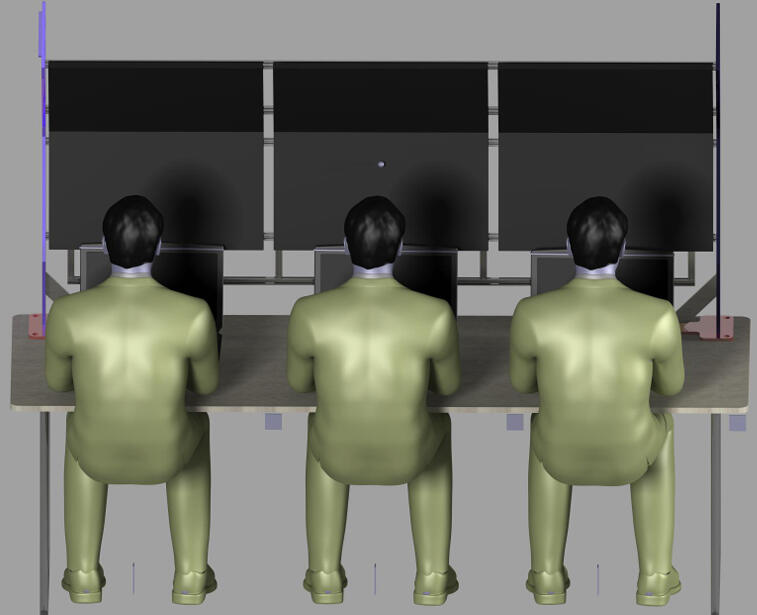
During my internship, I was tasked with designing and delivering a bespoke engineering workstation tailored for trackside operations. The objective was to create a compact yet highly functional setup capable of accommodating three engineers seated side-by-side, each with two external screens and their own laptop integrated directly into the workstation.A key constraint was balancing performance with practicality: the solution had to be cost-effective, quick to assemble, and robust enough for repeated transport and installation in a track environment. To meet these requirements, I developed a modular architecture built around a two-part system.The primary structure consisted of a folding base, designed to simplify transportation and enable rapid deployment trackside. Onto this base, an aluminium section was mounted, forming the backbone of the workstation. The screen assembly was engineered as a dedicated submodule, using aluminium profiles to support the displays. This subassembly was then mounted onto two custom steel side plates, manufactured via waterjet cutting, which provided both structural rigidity and adjustability. These plates allowed precise control over screen height and angle, ensuring ergonomic positioning for each engineer.Beyond the physical structure, the workstation was designed as a fully integrated engineering hub. It incorporated dedicated charging stations, a server unit for real-time data storage and access, and radio intercom panels to maintain clear communication during sessions. This integration ensured that all critical tools required for trackside engineering operations were centralized within a single, efficient workspace.The project required a combination of mechanical design, ergonomics, and systems integration, with a strong focus on usability in high-pressure environments. The final result was a scalable and practical solution that enhanced collaboration, improved operational efficiency, and aligned closely with the fast-paced demands of motorsport engineering.Furthermore, I had the opportunity to be the assistant tyreman at the last ELMS race of the year at Portimao. I was tasked in keeping track of the tyres being at the correct pressure, ensure the tyres were brought to and from the manufacturer in good condition, as well as having the fire extinguishing responbility during pitstops
As the Sporting Director of Romain Grosjean's professional simracing team, I dealt with multiple duties across different platforms throughout the years.I was tasked on handling the iRacing roster for the multiple competitions we took part in, such as all major endurance races of the year, the Porsche Esports Supercup, the BMW Sim GT Cup and IMSA Esports. This includes organising practice sessions, driver recruitment, race engineering and real-time strategy.The rFactor2 roster was mainly focusing on the Le Mans Virtual Series competition, working closely with real-life high-profile professional drivers, such as Will Stevens, Mathias Beche, Alex Smolyar and more, winning the 24H of Le Mans Virtual in 2023 with the latter.The RENNSPORT roster dealt with the R1 competition, handled by ESL, one of the major esports organisers. The first year saw R8G clinch both the driver title and the team title, leading to a partnership with Team Vitality, France's biggest esports club.
As part of the operating partnership between R8G Esports and Team Vitality, I oversaw the continuity of the RENNSPORT roster for the competition, that now included the simracing scene as an integral part of the Esports World Cup.The roster, unchanged from 2023, managed to finish in 2nd for EWC 2024, bringing much needed points for the Club Championship, ensuring the club would earn over $1M of prize money that year.
EWC 2025 was also a successful year for the partnership, with a 3rd place position for our 4-drivers line-up and guaranteeing Team Vitality to earn $3M in that year's prize pool.Having most events directly on-site, I put a strong emphasis on ensuring drivers would be in their comfort zone as much as possible, making the direct link between race control, race organisation and the club's top management/owners, while bringing unparalleled energy on stage to motivate the drivers and keeping a close link with the club fans on social media.

Drago Racing LMDh, picture courtesy of Rhys Caryl (@rc_simphotos)

Drago Racing, founded by professionnal footballer Bartłomiej Drągowski, is one of the winningest teams on the iRacing platform at the highest level. I had the opportunity to become their race engineer before the iRacing Sebring 12H for all of their lineups during the 2025 season.My tasks were mainly around calculating strategies for the lineups in LMDh and GT3 during endurance events, handling live communications across different lineups simultaneously and ensuring continuous adjustments.My involvements in the team happened during the following main endurance events of the year :
- P1 in LMDh in the 2025 iRacing Sebring 12h
- P1 in GT3 in the 2025 iRacing Sebring 12h
- P1/P2 in GT3 in the 2025 iRacing Watkins Glen 6h
- P1 in GT3 in the 2025 iRacing Indy 6h
- P2 in LMDh in the 2025 iRacing Petit Le Mans 10h
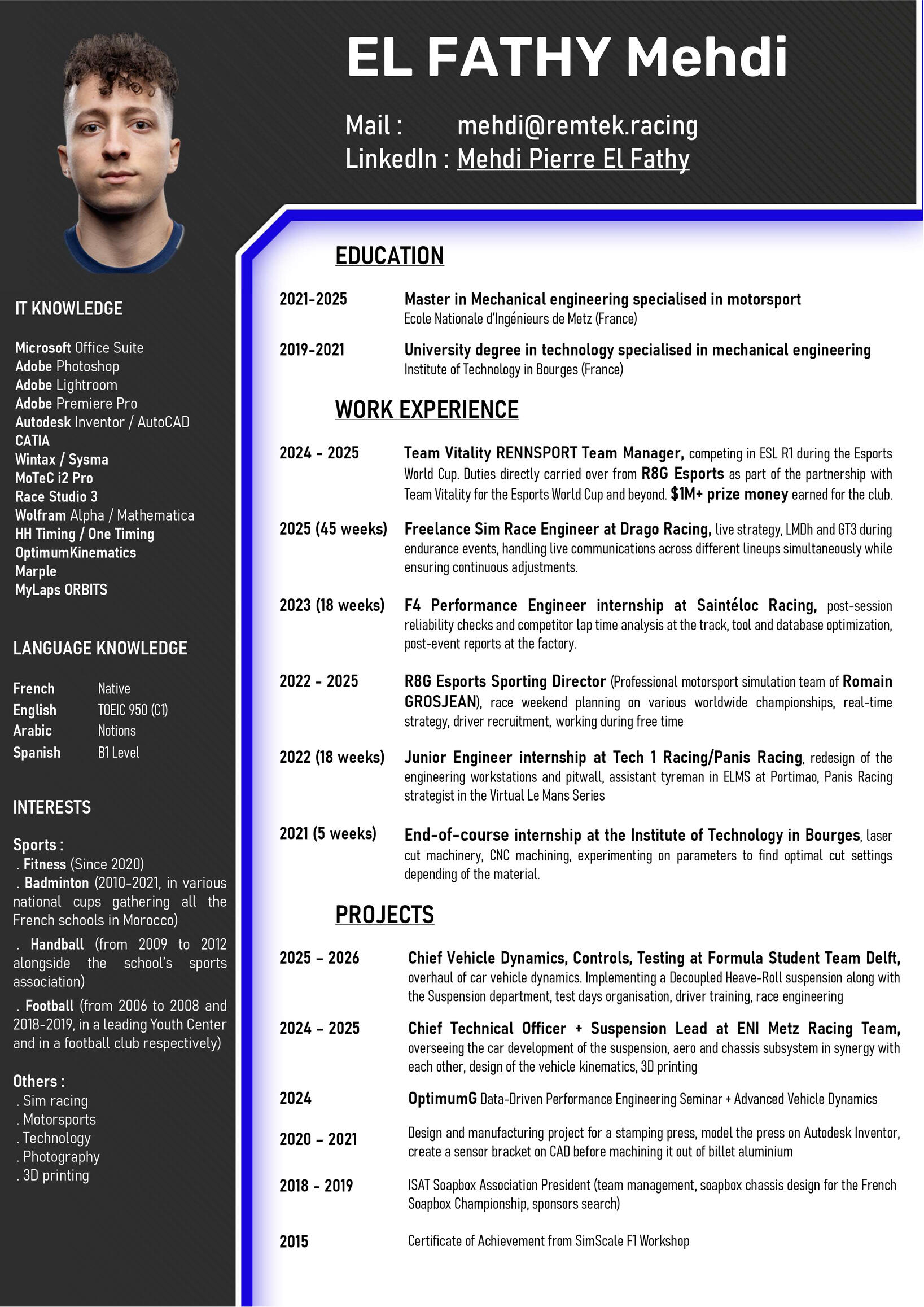
My CV can be viewed below. To download, right click on the picture and click "Download".
Driving ability showcase
iRacing French cup 2-times finalist, Formula Student driving

Driving EMRT-15 Vulcan in Magny-Cours

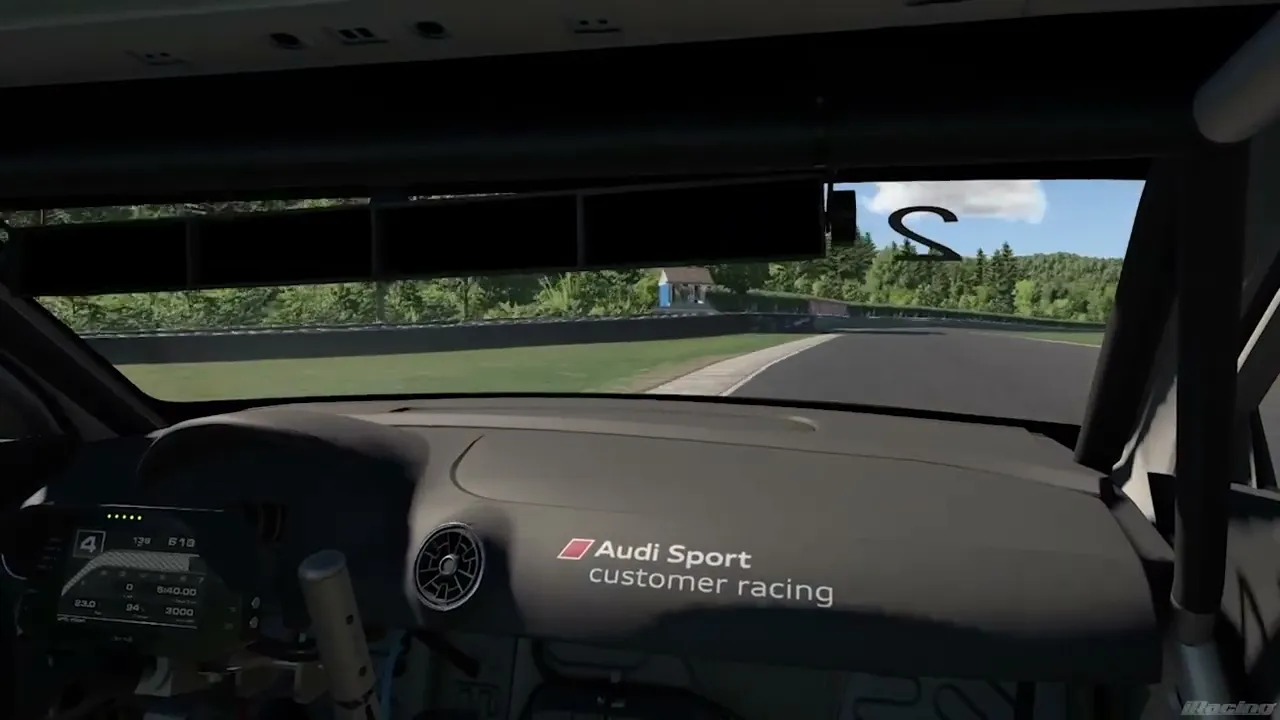
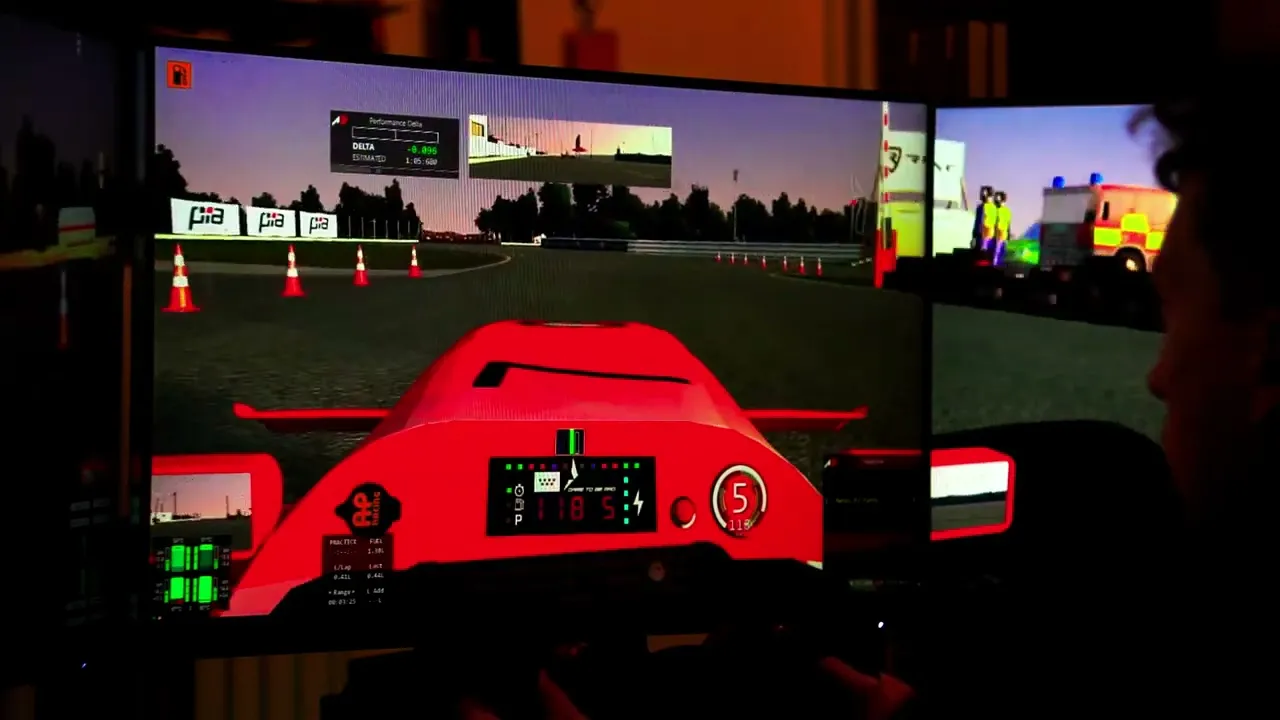
Alongside my engineering work, I have developed a strong background as a driver, primarily through simracing. Competing on iRacing, I have reached the top 2% worldwide in the road racing discipline — a level that demands consistency, significant practice time, and precision.My competitive experience includes multiple high-level events. I have been a two-time finalist in the iRacing French Cup, competed twice in the top split (Division 1) of the iRacing Indy 500 (30th in qualifying out of 2000+ participants), and secured 2nd place in the 2021 French National Acer Predator Cup. In addition, within the Virtual Formula Student Alpe Adria competition, I achieved two race wins and reached the finals on two occasions, demonstrating adaptability across different car concepts and track environments and my skills as a Formula Student driver on the sim.Beyond simulation, I have also gained real-world driving experience as a test driver for ENI Metz Racing Team. I had the opportunity to drive Vulcan multiple times, the team’s final internal combustion car, including at the EMRT-18 car rollout on Circuit de Chambley, and at the Formula Student Showdown in Magny-Cours, as well as Hermès, the car I was directly involved in from a technical standpoint. This dual role, both as an engineer and as a driver, provided valuable feedback loops between vehicle development and on-track performance, particularly during pre-competition testing phases before my transition to FS Team Delft.You can see some of my simulator driving in the videos below, featuring onboard footage across a variety of cars and circuits. These include performances such as a seasonal world record in TCR machinery at Lime Rock Park, highlighting both pace and execution in competitive conditions.
Photography grew naturally out of my time at the track. What started as simply documenting cars and race weekends quickly turned into a genuine interest in capturing the moments that define motorsport. Being trackside offers a unique perspective — not just the cars at speed, but the atmosphere, the precision, and the intensity that often goes unnoticed.Over time, I became more intentional with it. Instead of just taking pictures, I began focusing on telling a story: the split-second of a car on the limit, the subtle details in the machinery, or the human side of racing between sessions. It complements my engineering mindset — both require attention to detail, timing, and an understanding of motion.All pictures on this page have been shot and edited by myself.
Sigma 56mm f1.4

Ultimate Cup 2023

Ultimate Cup 2023

Ultimate Cup 2023


Sigma 100-400mm f5.6-6.3

FS Germany 2024, TU Delft

FS Germany 2024, AMZ Racing

FS Germany 2025, FS Team Delft


FS France 2025, Metz Racing Team

Euroformula Open Spa 2025

Spa WEC 6H 2025, Jota Sport


